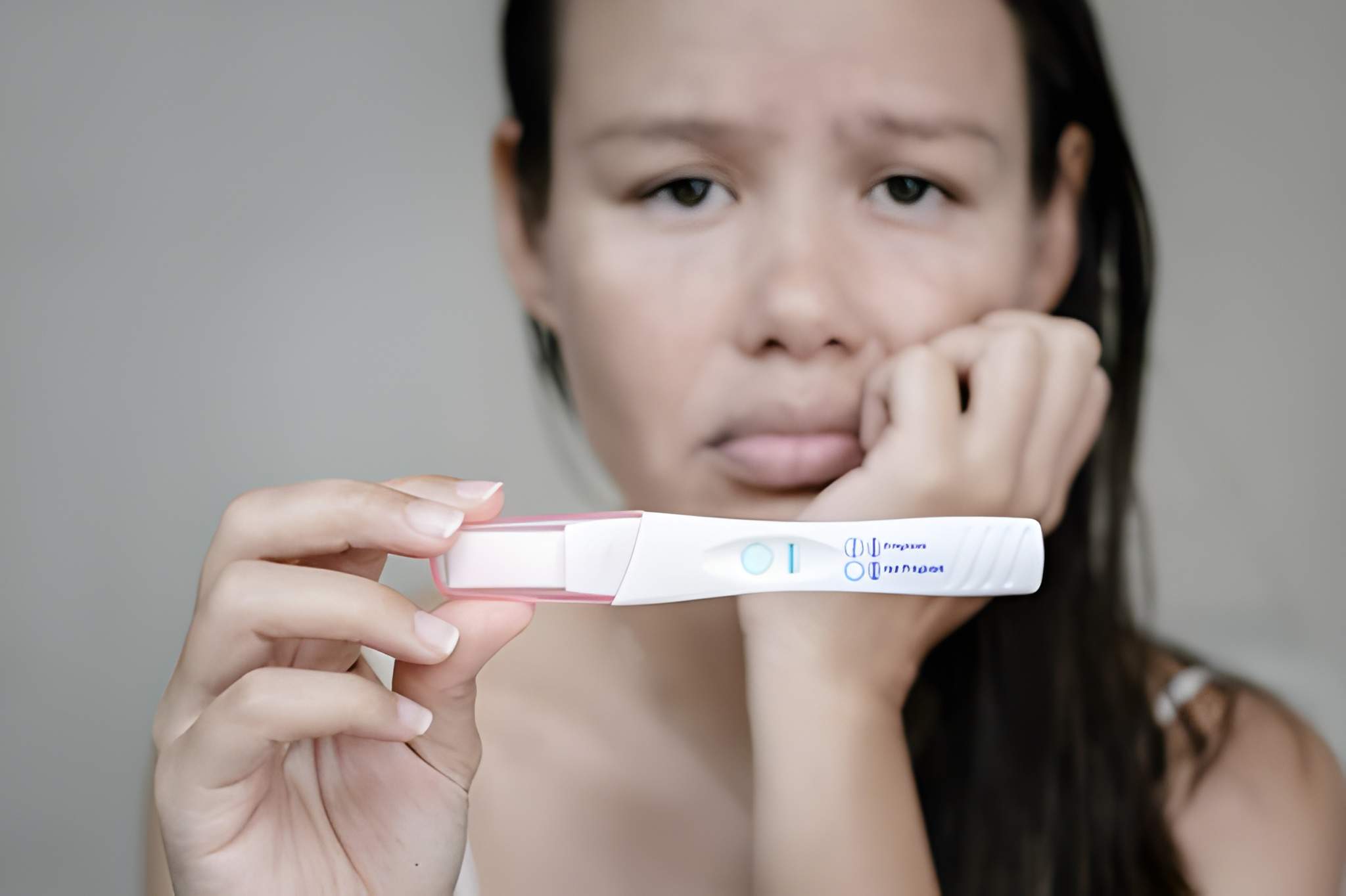
In real-world clinical practice, Dr Tanushree Rath, an eminent Gynaecologist in Bhubaneswar, often meets women in their early 30s who walk in with a quiet concern: “Am I already late?” The honest answer is reassuring, yet layered. Conceiving after 30 is possible, but the body does begin to communicate differently, and listening early matters.
One common misconception is that fertility drops sharply the moment a woman turns 30. In reality, what changes first is egg quality rather than quantity. Many women continue to ovulate regularly and maintain normal cycles, but conception may take longer than expected.
Clinically, it is common to see couples trying casually for a year, assuming time is on their side, only to discover later that small, correctable issues were present from the beginning. Early awareness can prevent unnecessary emotional strain.
Lifestyle and stress play a significant role in fertility after 30. Career pressures, irregular sleep, skipped meals, and inconsistent exercise may seem harmless individually, but together they can disrupt hormonal balance and ovulation.
Fertility is not limited to the ovaries or uterus alone. It depends on the body functioning as a complete ecosystem. Hormonal health, mental well-being, metabolism, and lifestyle choices all influence reproductive potential.
Many women delay fertility evaluation because their menstrual cycles appear regular. However, regular periods do not always indicate optimal ovulation. Simple tests such as AMH levels, thyroid function tests, and pelvic ultrasounds can provide valuable insights early.
Another important observation is the tendency for women to blame themselves. Fertility is a shared journey, and male factors contribute almost equally. Evaluating both partners early helps reduce guilt and saves valuable time.
Pregnancy planning after 30 requires a shift in mindset. Nutrition becomes crucial, folic acid is essential, and maintaining a healthy weight significantly impacts outcomes. Conditions like mild PCOS or insulin resistance, when detected early, can often be managed with minimal intervention.
Age is a factor, not a verdict. The body does not suddenly stop cooperating; it simply asks for more attention, timely guidance, and informed choices.
Trying to conceive after 30 is not about fear. It is about awareness, proactive care, and responding before subtle signals turn into larger challenges.